A Closer Look
Twenty years of monochrome film photography. Now sharing what I've collected.
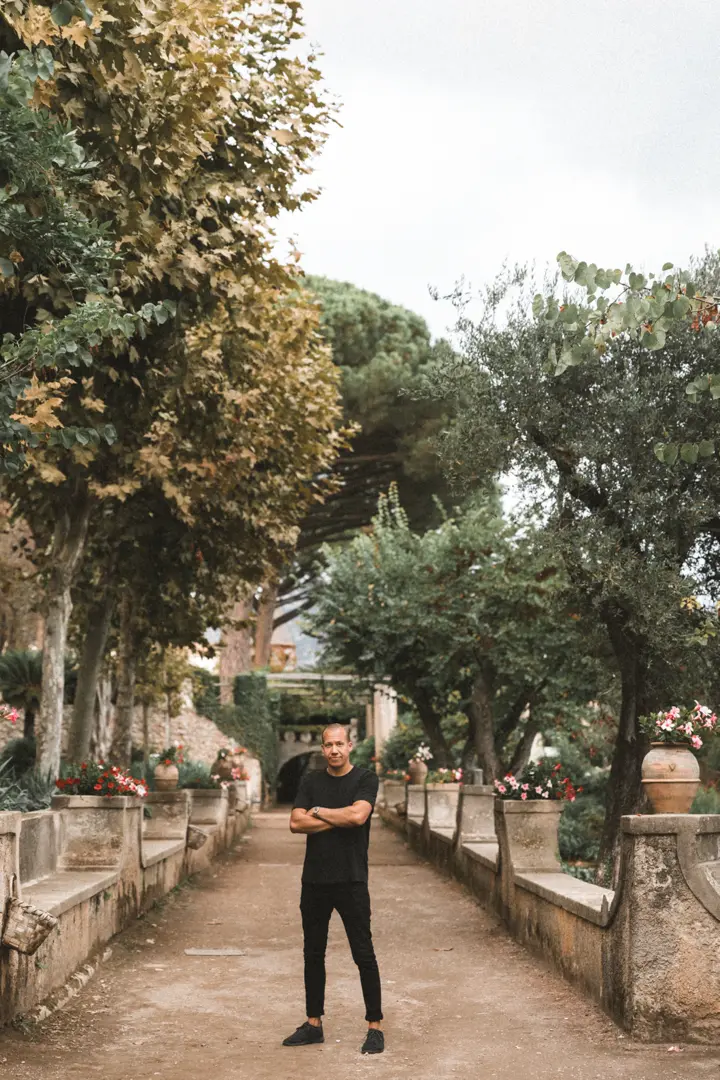
I'm Joe Eitzen, a landscape photographer with over two decades behind the camera. I picked one up at 15 and never put it down. Since then I've shot over 40,000 photographs across film and digital, most of which lived quietly on hard drives and contact sheets until now.
I work almost exclusively in monochrome because black and white forces me to see differently — without color, what matters is light, shadow, and the geometry of a place. My practice is rooted in the tradition of Ansel Adams and Minor White: Zone System metering, film cameras, and hand-printing every piece in the darkroom.
This site is my way of finally opening the vault. It's not about going viral — it's about finding the right people who connect with this work, who understand that a thoughtfully printed photograph holds its own quiet power.
Gear I Reach For
Cameras
- Canon 5D Mark IV
- Leica M3
- Hasselblad 500CM
Lenses
- Canon 100mm Macro
- Canon 24-70mm f/2.8L II
- Canon 16-35mm f/2.8L II
- Canon 85mm f/1.8
- Sigma 35mm f/1.4
Frequently Asked Questions
What type of photography does Joe Eitzen specialize in?
Fine art monochrome landscape photography, with an emphasis on darkroom printing and hand-crafted prints. My work focuses on the relationship between light, shadow, and the essential geometry of a landscape.
What cameras does Joe Eitzen use?
Three primary cameras: a Canon 5D Mark IV for digital capture, a Leica M3 rangefinder for meditative 35mm film work, and a Hasselblad 500CM for medium-format fine art prints.
Does Joe Eitzen sell prints?
Yes. I sell fine art prints through my Print Drop page. Each print is carefully produced with attention to archival quality and tonal control.
Why monochrome?
Black and white film forces me to see differently. Without color, I'm drawn to what actually matters: light, shadow, geometry, and emotion. It connects to the tradition of Ansel Adams and Minor White — what you remove from an image is just as important as what you include.
What is the Zone System?
A method of metering, exposure, and printing developed by Ansel Adams and Fred Archer in 1941. It allows precise control over tonal range from pure black to pure white. I apply it the same way Adams did: metering the landscape, visualizing the desired tonal values, and developing negatives to match.
How does Joe Eitzen's work relate to Ansel Adams?
I work within the tradition Adams pioneered: monochrome landscape photography using the Zone System, film cameras, and meticulous darkroom printing. Both of us dedicate exclusively to black and white, understanding that monochrome reveals emotional depth that color often obscures. I carry this legacy forward while developing my own vision.
How does Joe Eitzen approach darkroom printing?
Darkroom printing is where photography truly happens for me. The camera captures raw material — the darkroom is where I have complete control over contrast, tone, and the final artifact. Every print is unique, hand-crafted with the same care Adams brought to his own darkroom work.
What makes Joe Eitzen's photography unique?
A combination of 20+ years of technical precision with emotional intuition. I've mastered darkroom printing, film photography across multiple formats (35mm, medium format), and compositional discipline. My archive of over 40,000 photographs represents two decades of intentional practice that prioritizes depth over volume.
Where does Joe Eitzen photograph?
Primarily the American West — Utah's canyon country, Arches, Zion, the Bonneville Salt Flats — as well as international locations like Iceland's Vatnajökull glacier, Bolivia's Salar de Uyuni, and the Faroe Islands. I'm drawn to landscapes with strong geometry and dramatic light.
Interested in a Print?
I work with collectors and enthusiasts who appreciate fine art landscape photography — work that's been carefully captured, intentionally developed, and thoughtfully printed.