What Limited Edition Means
A clear explanation of limited-edition photography prints, including edition sizes, signing, numbering, open editions, and what buyers should look for.
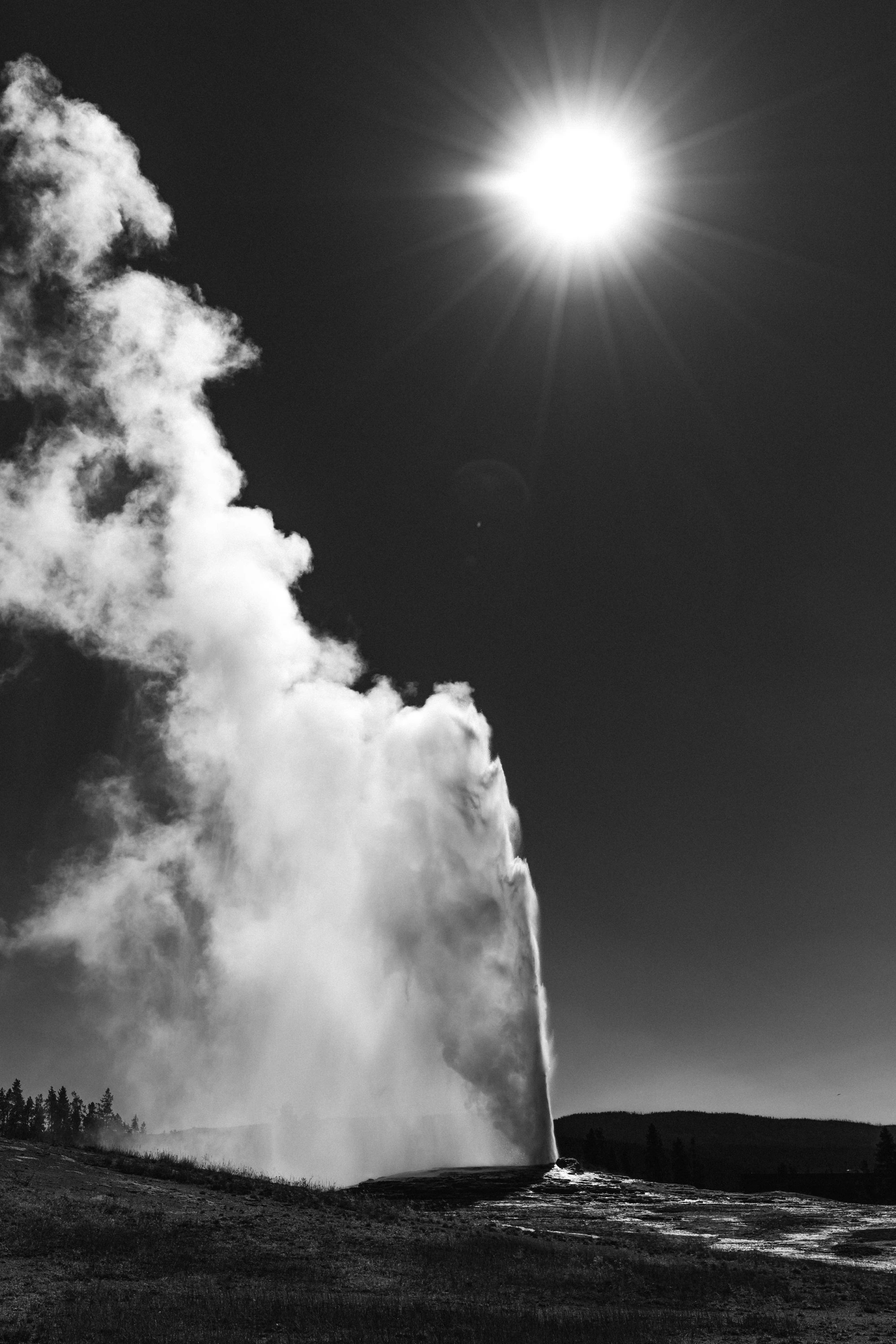
A limited-edition print is a print made in a fixed quantity.
That is the simple definition.
If a photograph is offered as an edition of 25, only 25 prints will be made in that edition. Each print is usually signed and numbered.
A print marked:
3 / 25
means it is the third print in an edition of twenty-five.
That number matters because it gives the work a boundary. Instead of an image being printed endlessly, the edition defines the print as a finite object.
Photography is reproducible by nature. A negative, digital file, or scan can produce more than one print. Editions exist to bring structure and clarity to that.
Why editions exist
Photography is different from painting.
A painting is usually one object. A photograph can be printed more than once. That is part of the medium. A negative, digital file, or scan can produce multiple prints.
Because of that, photographers use editions to define how many prints will exist in a certain format.
An edition might be tied to:
- A specific size
- A specific paper
- A specific process
- A specific image
- A specific release
- A specific body of work
The edition gives the buyer clarity and gives the photographer responsibility.
It says: this is not just an unlimited reproduction. This is a defined version of the work.
A limited edition is partly about scarcity, but it is also about intention.
Does limited edition mean better?
Not automatically.
A limited edition does not make a weak photograph strong. It does not guarantee value. It does not mean the print is automatically important.
But a limited edition can make a strong photograph feel more intentional.
The value is not only scarcity. It is also care.
A limited-edition print should usually have clear decisions behind it: size, material, tone, edition size, signature, numbering, and presentation. The photographer is saying, “This is the way I want this image to exist.”
That matters.
A limited edition should not be a marketing trick. It should be a clear promise about how the work will be made and released.
What signed and numbered means
A signed and numbered print usually includes the photographer’s signature and the print’s number within the edition.
Example:
7 / 25
This means the print is number seven out of twenty-five.
The signature confirms the artist’s approval of the print. The number confirms where the print sits within the edition.
Some prints may also include a certificate of authenticity. That can include:
- Title
- Location
- Year
- Edition size
- Print size
- Paper or material
- Print process
- Signature
- Date of printing or release
The goal is clarity. A buyer should know exactly what they are buying.
Edition size matters
A smaller edition is more limited. A larger edition is more available.
An edition of 10 is very small. An edition of 25 is still small but gives more people access. An edition of 50 is larger but still finite.
There is no perfect number. It depends on the work, the size, the price, and the photographer’s approach.
For landscape photography, small editions can make sense because they keep the print offering focused. The image is not treated like an endless product. It is treated like a finished object.
But small editions also create responsibility. If the edition language is unclear, buyers can feel misled. The photographer should be specific about what is limited.
Is it the image? The size? The paper? The release? The exact print format?
Those details matter.
Open edition vs. limited edition
An open edition has no fixed limit. It can be printed as long as the photographer chooses to make it available.
Open editions are usually more affordable. They can be a good way for more people to buy work.
Limited editions are finite. Once the edition sells out, it closes.
Both can be valid. They just serve different purposes.
A simple way to think about it:
Open edition: accessible, ongoing, unlimited or less restricted Limited edition: finite, signed/numbered, more collectible
Some photographers offer both. For example, smaller open-edition prints and larger limited-edition prints. That can make the work accessible while keeping larger pieces more collectible.
Neither model is automatically better. What matters is that the buyer understands what is being offered.
What buyers should look for
If you are buying a limited-edition photography print, look for clear information.
The print page should answer:
- What is the title?
- Where was it photographed?
- What year was it made?
- What size is the print?
- What is the edition size?
- Is it signed?
- Is it numbered?
- What material is used?
- Is framing included?
- How is it shipped?
- Will this image be printed again in the same format?
If those details are missing, ask before buying.
A limited edition should not be vague.
What “never reprinted” means
Some editions are closed forever once sold out. Others may never be reprinted in the same size or material, but may appear later in a different format.
This is why edition language should be specific.
For example:
Limited edition of 25 at 16 × 20 inches.
That may mean the photographer will not make more than 25 prints at that size, but could still release the image later in another size or special format unless stated otherwise.
A stricter version would say:
This image will not be reprinted in any size or format after the edition closes.
That is a stronger commitment.
Buyers should understand which one applies. For photographers, it is better to be clear than clever.
Why I like small editions
Small editions fit the way I think about prints.
A photograph can be shared online endlessly, but a print is different. A print has scale, paper, tone, surface, and presence. It takes time to make well. It becomes part of someone’s home.
Keeping editions small makes the process feel more considered.
It also keeps the archive from becoming too much. Not every photograph needs to be a print. Not every print needs to exist forever.
Some images are worth making slowly and in small numbers.
What makes an edition feel trustworthy
A limited edition feels trustworthy when the details are plain.
Good edition information should not require decoding.
A buyer should be able to see:
- The size
- The edition count
- The price
- The material
- Whether it is signed
- Whether it is numbered
- How it ships
- Whether framing is included
- What happens if it arrives damaged
The print should feel considered, but the buying process should feel simple.
Is a limited edition an investment?
Sometimes people ask about prints as investments.
I think the better first question is whether the work is worth living with.
Some prints may appreciate over time. Many will not. Art markets are unpredictable, and most people should not buy a print only because they hope it will become more valuable.
Buy it because the image matters to you. Buy it because you want to live with it. Buy it because the work, edition, and object feel right.
If it becomes more valuable later, that is secondary.
The simplest definition
A limited-edition print is a photograph made as a finite object.
It has a fixed quantity. It is usually signed and numbered. It should have clear details about size, material, edition count, and availability.
For me, the point is not just scarcity. The point is care.